
The "Third Act Breakup"
I started writing this months ago when I saw one of the social media posts “authors, please stop writing third act breakups” because it made me lose my mind, but then I got busy doing other stuff. Today I saw another post like that so I lost my mind again and finished this up (so much for my deadline) and here you go. (Sorry, this is a long ‘un!)
WHY AUTHORS WRITE “THIRD ACT BREAKUPS” IN ROMANCE NOVELS

Actual photo of me losing my mind
I put the term “third act breakup” in quotes because I don’t know where it came from. It was never called that until recently. The term I’ve always used is “black moment” or “dark moment” and there are others, depending on which craft book you read. “Beats” are the building blocks of a story that move the narrative forward, and the “dark moment” is one of the beats.
HEADS UP: TIRESOME PEDAGOGY TO FOLLOW
Joseph Campbell calls that turning point the Abyss - the hero must confront and be initiated by whatever holds the ultimate power in their life. Christopher Vogler in the “Twelve Stage Hero's Journey” calls it the Supreme Ordeal. A lot of authors are familiar with Blake Snyder’s “Save the Cat Beat Sheet”. The beats include: All is Lost - the hero hits rock bottom. He loses everything he’s gained so far, and things are looking bleak; and Dark Night of the Soul - having just lost everything, the hero wanders aimlessly, miserably around before discovering some “new information” that reveals exactly what he needs to do if he wants to take another crack at success.
The book that helped me the most was “Romancing the Beat” by Gwen Hayes, which outlines a story structure developed specifically for the romance genre. I LOVE THIS BOOK.
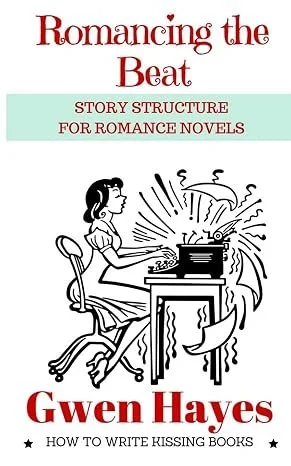
In all my studying of other story structures, I had a hard time grasping how those beats worked in a romance, and she nails it. She does have a beat called “break up” which leads to the “dark night”. This is how she describes it: In this beat, the characters have a choice – choose love, or choose fear. The important thing about this beat is that it has to be a choice – if something external happens that separates the couple (eg. she gets kidnapped, or gets in a car accident) she probably doesn’t learn anything about herself. (I say she, but many romances, including mine, have a black moment for each character.) The choice needs to be tied to her greatest fear/flaw/wound so she can grow and overcome that. Now – the car accident and the MFC getting injured could be the other character’s greatest fear. Perhaps his past includes losing his whole family in a car accident and he’s been afraid to love ever since. The MFC being in a car accident could cause him to realize that he really does love her and motivates him to overcome his fears.
My stories are character based (as opposed to plot based). The character arc is the internal transformation the characters go through from beginning to end of a story. Both my MFC and MMC have a character arc. They have to learn about themselves and what is preventing them from finding love, and they have to overcome that to find love (and their HEA). Generally, a romance is more satisfying when the characters have to “earn” that happy ending.

Here’s one of my recent books “On Thin Ice.” This not a sales pitch - ignore it if you don’t like it, although it might help explain the dark moment with an example.
Nikki was always told by her parents that her lack of discipline and planning, her distractibility and impulsivity, would keep her from being a success in music. That led her to believe that without constant structure her weaknesses would take over and she would never be a success. She believed she had to be perfect, and that her value was based only on productivity or success.
Her biggest fears are that without constant structure her weaknesses will take over, fear of not being perfect, and that her value is based only on productivity or success.
So what happens to her? There’s a terrible accident where her whole life, including her familiar, needed structure, is taken away. She is not being productive or successful. She feels responsible for the tragedy, she feels intense guilt about her survival, she believes she is letting people down, and she believes she doesn’t deserve happiness, a relationship, or love.
At the beginning of the third act, Marek wants Nikki to stay in New York, with him. Her music career is based in Los Angeles. She believes that without her structure, her weaknesses will take over and she will not be successful. She believes that her worth is connected to being successful and productive. And she believes she doesn’t deserve happiness or love. Her belief system about herself is her entire identity. She has to hang on to her identity, to those beliefs. So she goes back to LA – the breakup. That leads to her “black moment” or “dark night.” She is heartbroken, lost, and, of course, missing Marek. She is forced to confront her beliefs about who she is, what she wants, and what she needs. This is her character arc. She learns that maybe she’s not creating music but she can be productive in other ways. That she doesn’t have to be perfect to have value. That everyone deserves love and happiness – including her. And then she has to make a choice. She could continue to choose “fear” – holding onto her beliefs about herself, but enduring heartbreak and sadness. Or she can choose love – letting go of her fears, changing her beliefs, and finding joy. It took that “breakup” for her to finally confront her deepest fears.
In a romance novel, what’s the worst thing that can happen to a character who’s deepest need is to love and be loved?
The worst thing that can happen is to find love—and lose it.
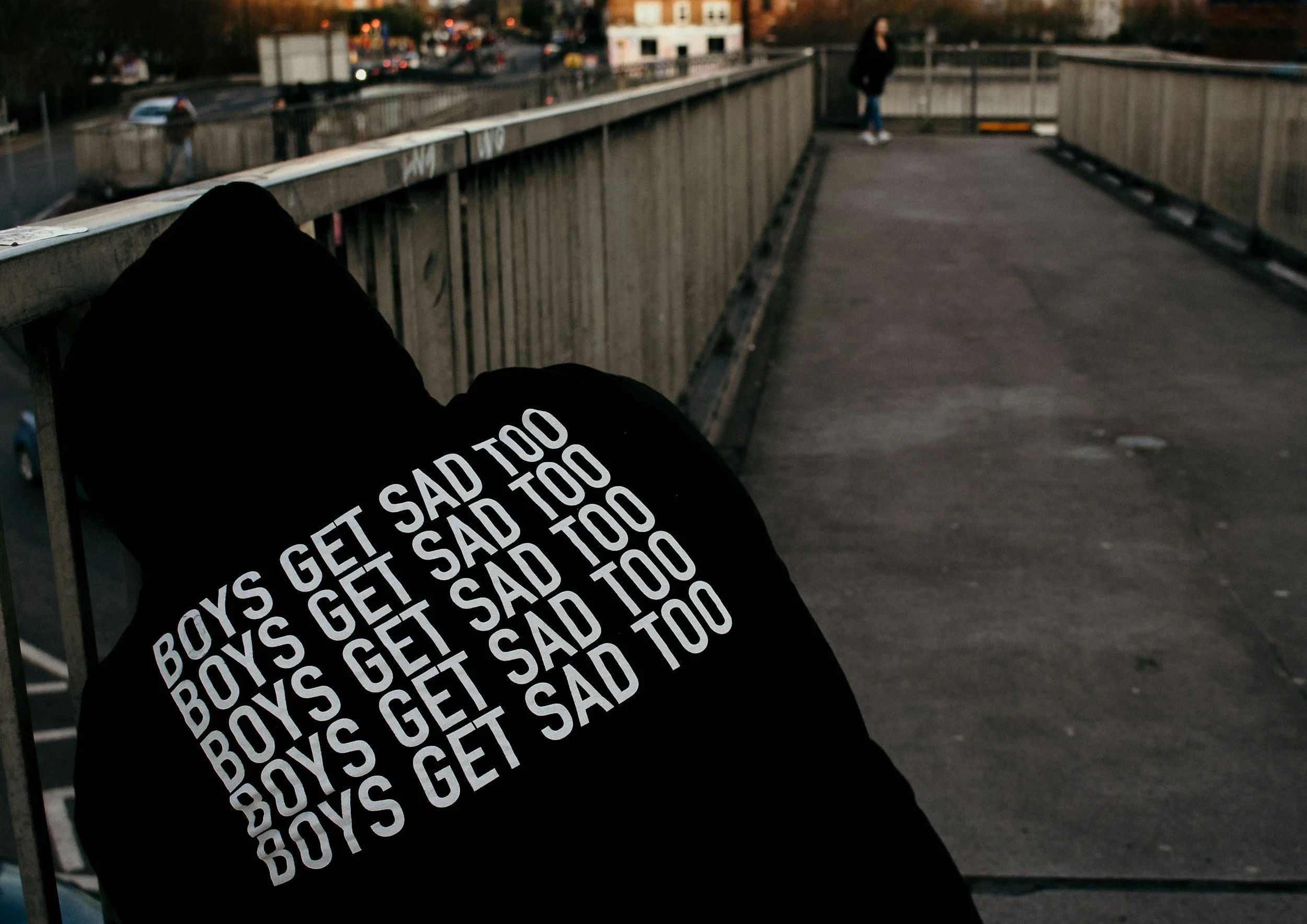
That’s why so often a breakup is what leads to the “black moment” in a romance.
It doesn’t have to be a breakup! Sometimes it’s not quite a breakup – maybe a pause in the relationship, maybe taking time to figure things out. Or if an author can write some other compelling reason for the character to confront his or her fears and false beliefs, for them to learn about themself and grow and find love, that could work, too.
Look for these beats and the character arc in the books you read and see what feels satisfying to you…or doesn’t feel satisfying. I see so many readers say they don’t like the third act breakup because… it’s sad, it’s stupid, it’s not necessary. But maybe it’s not the third act breakup they don’t like. Maybe it’s the execution of it.